Arts
Features
Photos: Victoria’s emerging circus community is taking the art form to new heights
From trapeze and aerial dancing to juggling and handstands, Islanders are finding a new creative outlet.

Want to know keep up-to-date on what's happening in Victoria? Subscribe to our daily newsletter:
From trapeze and aerial dancing to juggling and handstands, Islanders are finding a new creative outlet.
From trapeze and aerial dancing to juggling and handstands, Islanders are finding a new creative outlet.
Get the news and events in Victoria, in your inbox every morning.
From trapeze and aerial dancing to juggling and handstands, Islanders are finding a new creative outlet.

Running away with the circus has become a lot easier—especially when you don’t actually have to run too far, or even leave home.
In Victoria, circus arts, which include acrobatics, contortionism, juggling, and clowning, have become a trending hobby for people looking to challenge themselves.
Island Circus Space (ICS), which offers classes and a place for kids and adults to train, has seen an uptick in members at its Hillside studio over the years.
Josh Nobleman, co-owner of ICS, says one reason for this is local fitness culture—it’s not a far leap to go from yoga to handstands—but also, a sense of community that circus performing can offer people.
“After COVID, I think people were ready to start building a community again, and to do so with one that's diverse, queer-friendly—friendly to different body types, especially—you know, letting people move their bodies without fear of comparison,” Nobleman told Capital Daily.
“In circus, there's so many different disciplines and so many tasks within those disciplines; it's more about those ways of expressing yourself, and that's not really a competition.”


Circuses reached peak popularity in the 19th and early 20th centuries, though they date back to the Roman Empire. During that time, the idea of running away with the circus—which seemed exciting and liberating—was a fantasy for those living in rural towns. The Ringling Bros. were one of the most famous circuses to travel through the US, known as the “Greatest Show on Earth.”
Acrobats, stuntpeople, clowns, and dancers would showcase their unique skills for onlookers, many of whom would wait all year for the circus to come to town.
The era of the travelling big-top circuses fell out of fashion around the 1950s as other forms of entertainment, such as TV, grew in popularity. The cruelty of animal performances and freak shows also lost their draw.
But in the 1980s, an acrobatic circus group in Quebec reignited people’s interest in the art form: Cirque du Soleil continues to sell out performances around the world, showcasing the unreal capabilities of the human body.
“When people hear the word circus, they might think of Cirque du Soleil, like athletes at the absolute peak of the human condition, who are amazing with what's possible,” Nobleman said.
“But there's another facet, which is you can just have fun and find ways of expressing yourself that you didn't know you could do.”
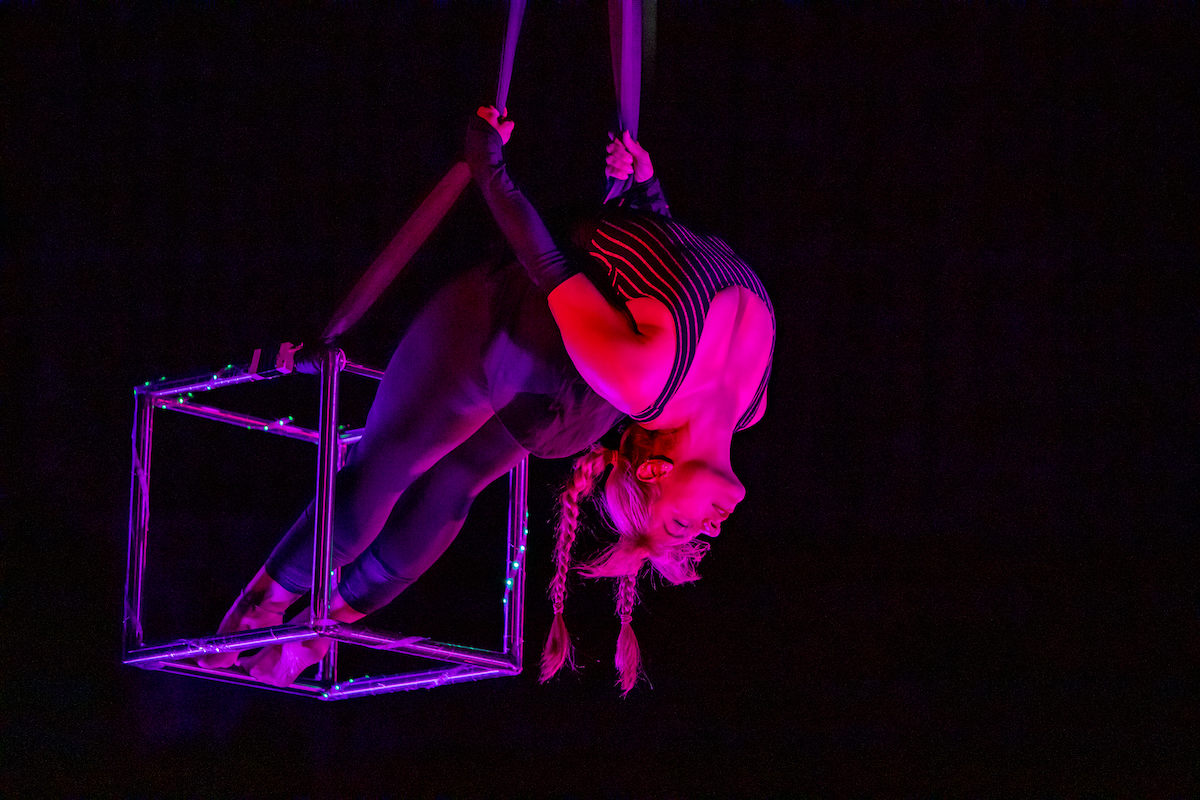
This version of circus arts has been growing in popularity for years now—and lately, it’s become a favourite form of expression for many people in Victoria.
For Deb Kennedy, it was a way for her to get in touch with her body and live performing.
Kennedy had a background in theatre and dance, and was no stranger to performing in front of an audience. But she had taken a break from those activities for nearly 20 years, focusing on life with her young family.
She began taking her three kids to an aerial dance class in Shawnigan Lake. One day, one of her children was sick and couldn’t come to class. The instructor invited Deb to fill their spot, and decided to give it a try.
Kennedy’s thoughts on that first class? “Oh, it was so hard.”
“I couldn't do anything, which I think is why I kept going back—because it was so hard,” Kennedy said. “It was a different challenge, something that I wasn't used to, a lot of upper body strength and core strength. And then I really started to enjoy it.
A few months after trying aerial for the first time, she began taking trapeze and hoop classes with Island Circus Space (ICS).
Fast forward more than six years, and Kennedy is a master of the trapeze. She’s been performing with ICS for five years now, and although her kids have grown up and left circus arts behind, they still come to see her shows.
Kennedy says what she loves about the art form is the encouragement from others in the space. She describes the members of ICS as inclusive and multigenerational.
“I'm certainly not the oldest person that goes there and practises regularly, and you'll be practising with teenagers and people of all ages and all walks of life in between,” Kennedy, 50, said.
“When it comes to building community, supporting people from all different walks of life, just because you have a similar goal, is really wonderful.”
ICS works to make circus arts accessible to anyone. They began a subsidy program to lower barriers for those with a lower income. Nobleman said the program just made sense with their inclusive ethos.
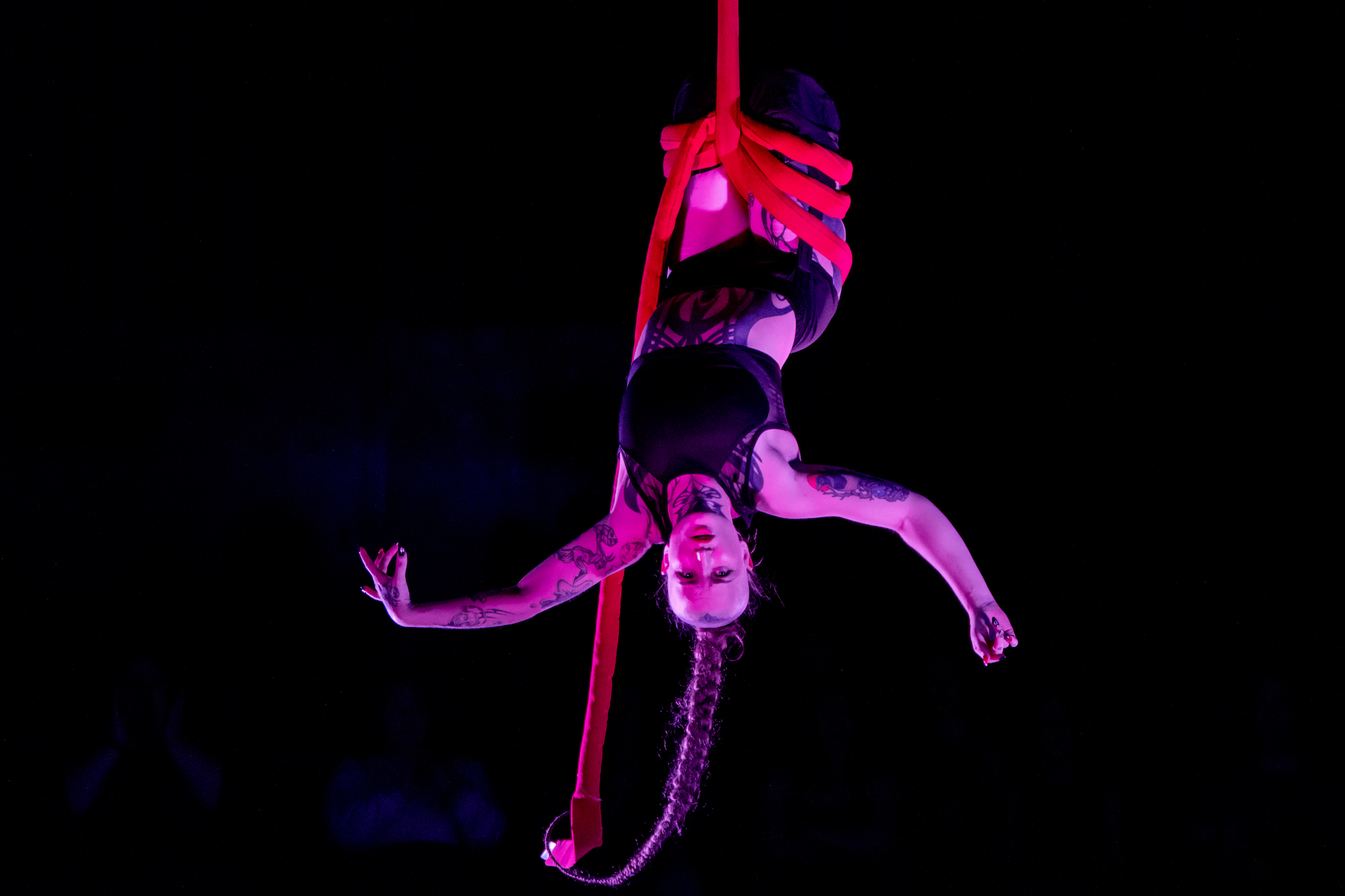
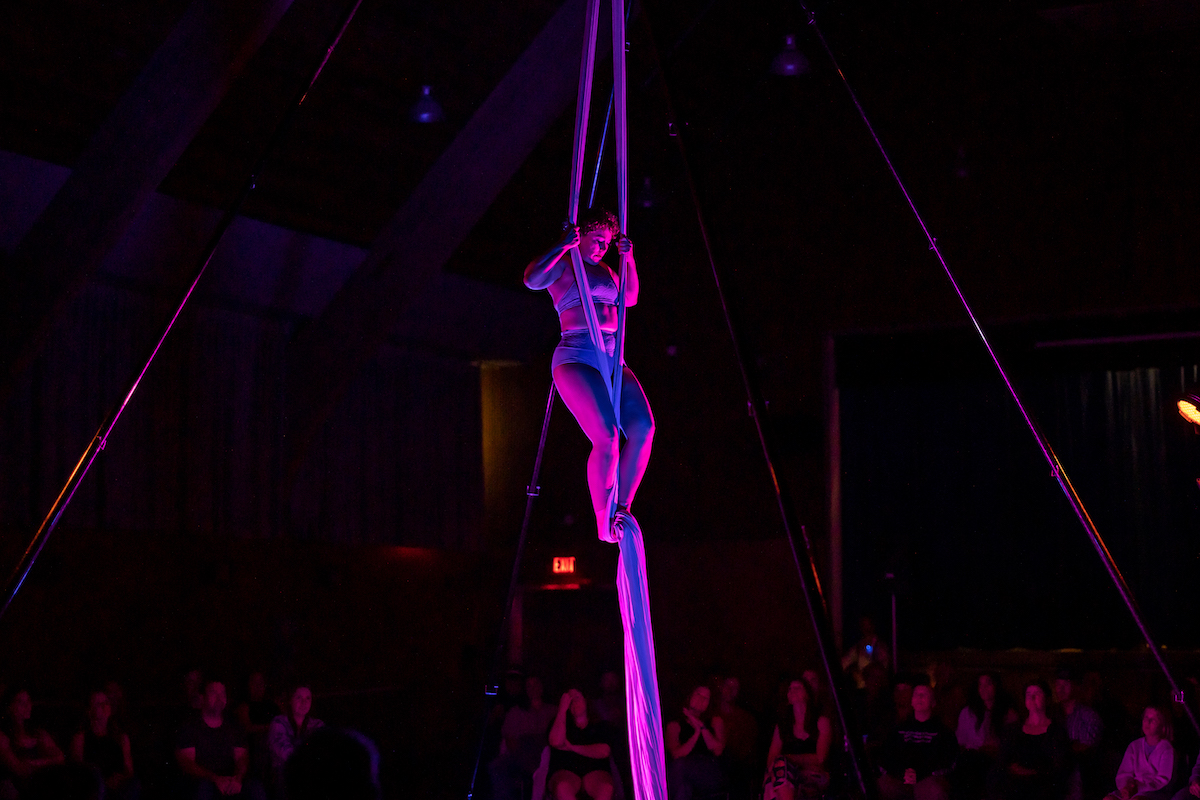
If you’re looking to add a unique performance element for an event, ICS performers can be booked. This is one way performers can profit from their skill set.
But Nobleman says that it’s been tricky to get bookings post-COVID, so ICS has begun hosting its own shows.
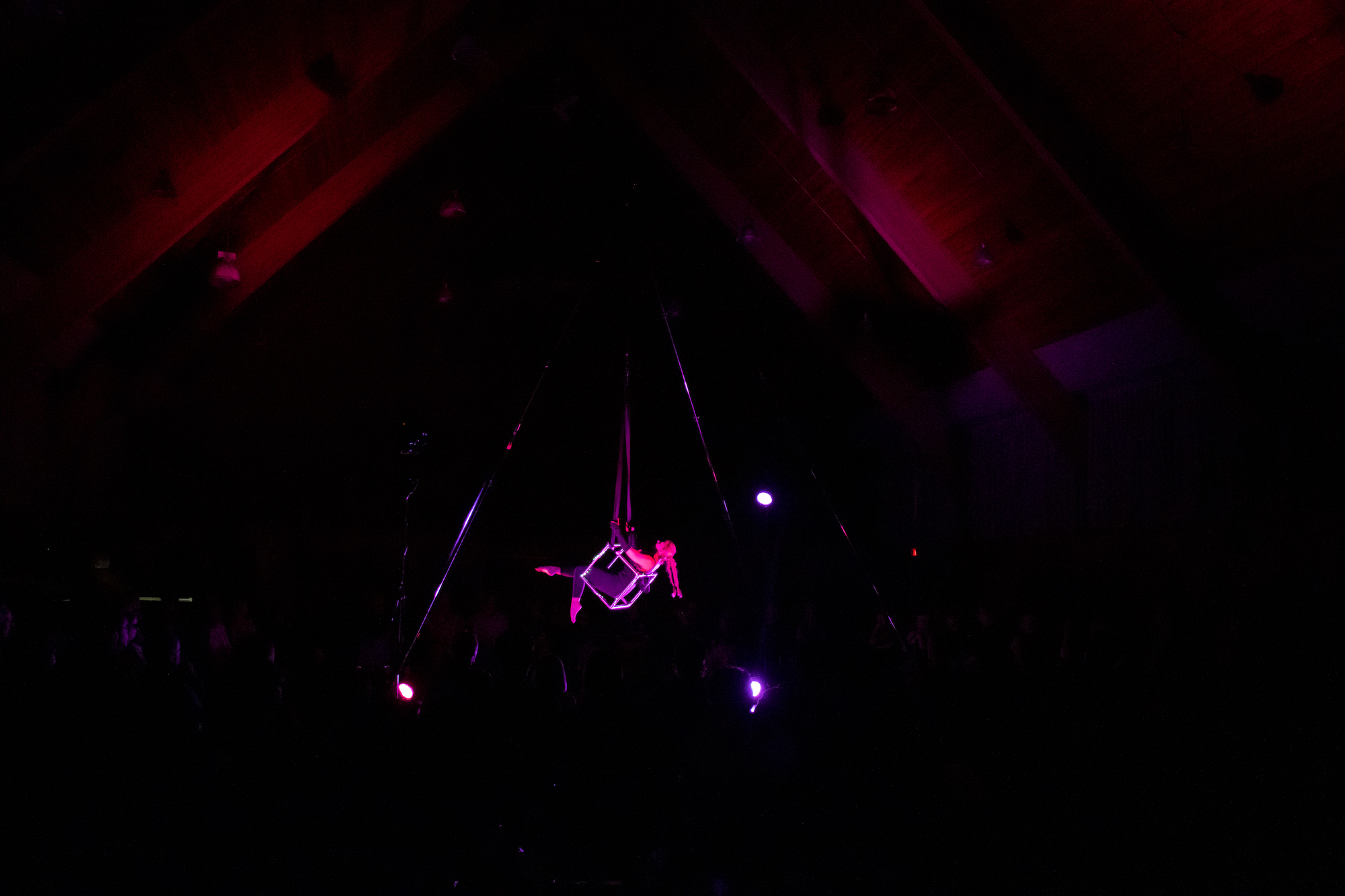
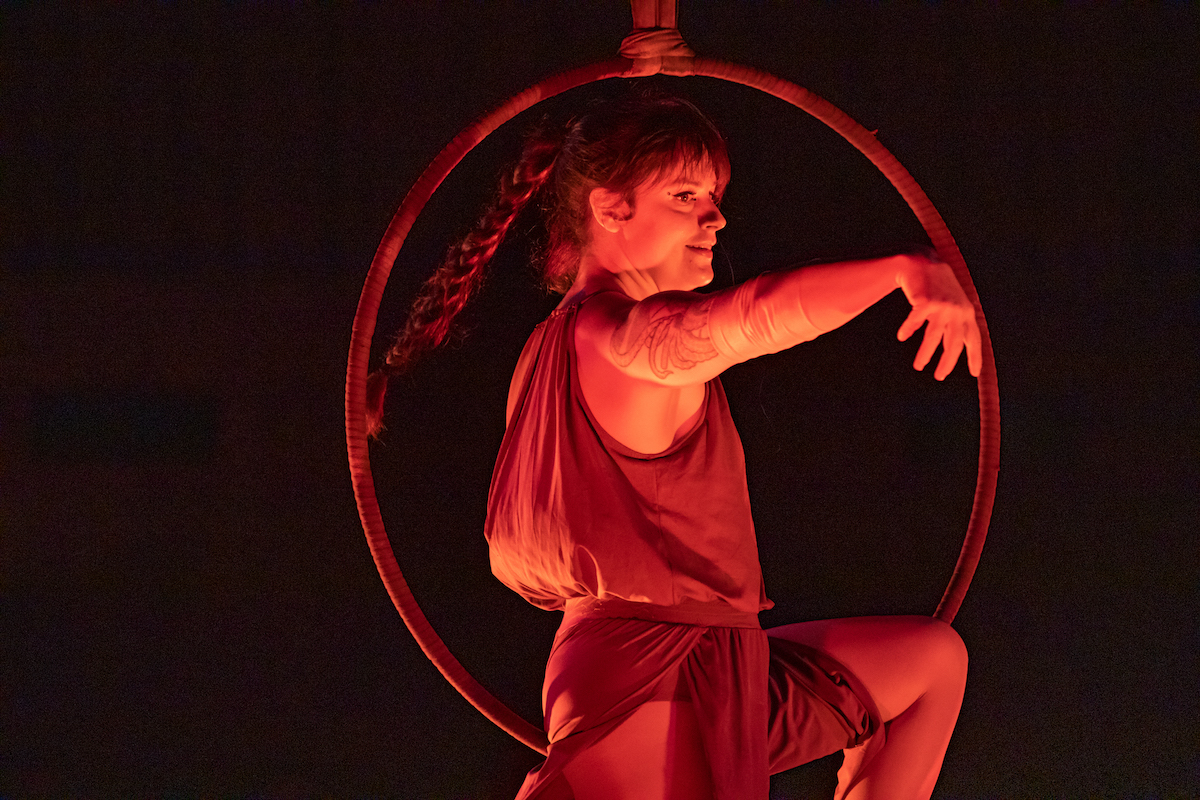
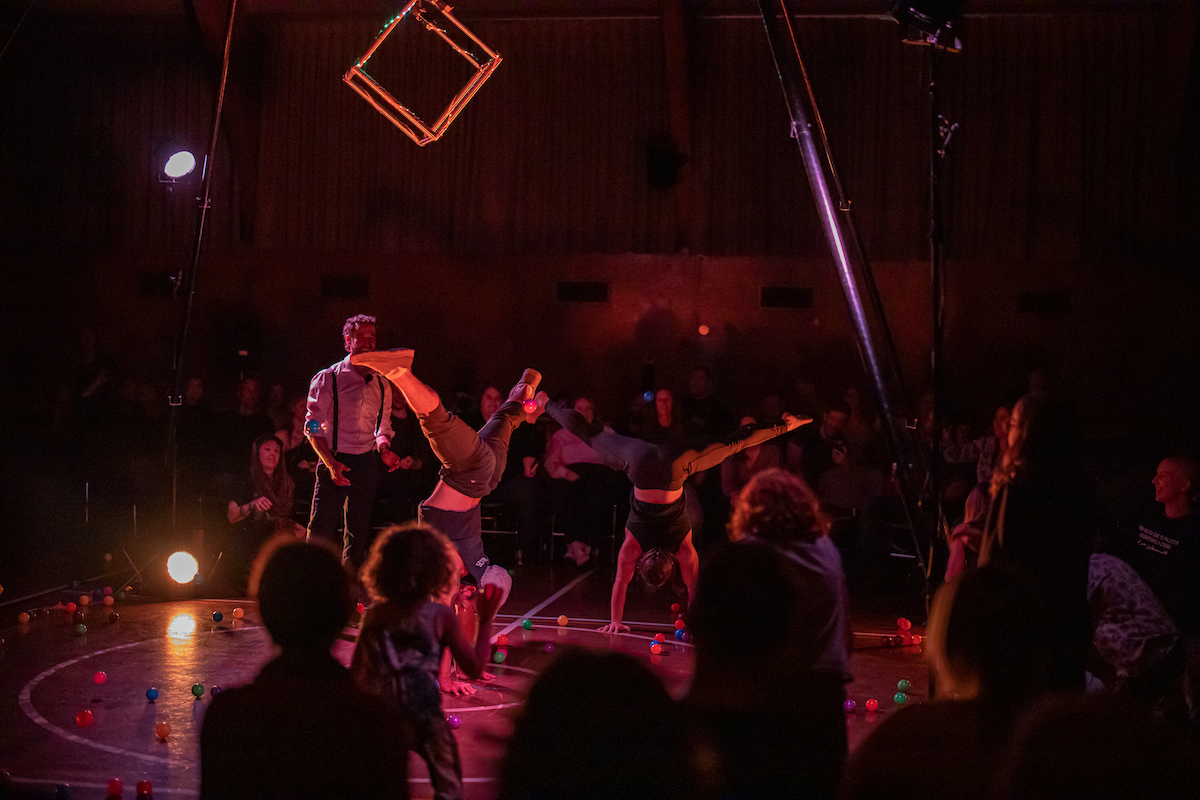
On Saturday, ICS performers held a summer cabaret at United Commons, showcasing the high-flying skills of students. Juggling, trapeze, contortion, storytelling, and aerial dancing were all on display for the audience.
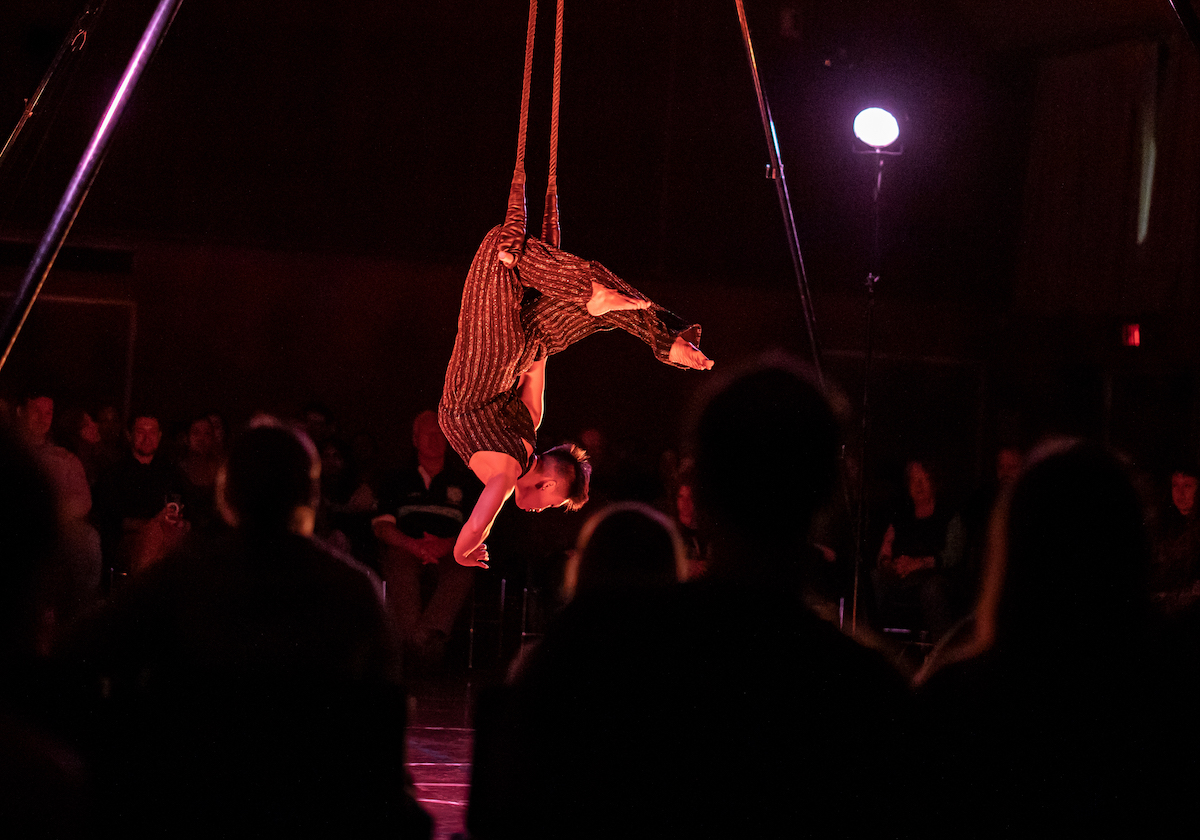

Nobleman said it was the first time ICS hosted a show outside of its studio; the high-vaulted ceiling allowed for the rig, which held performers as they swung through the space.
“The circus didn’t come to town; it is in your town,” Nobleman told the audience. “You can see the circus whenever you want.”
Correction: A previous version of this article identified Nobleman as the co-founder of ICS; he is the co-owner.




.jpeg)