SD61 board reluctantly approves ward electoral system
The board said this week that the ministerial order was binding and trustees would have to honour the change with an adjusted bylaw.
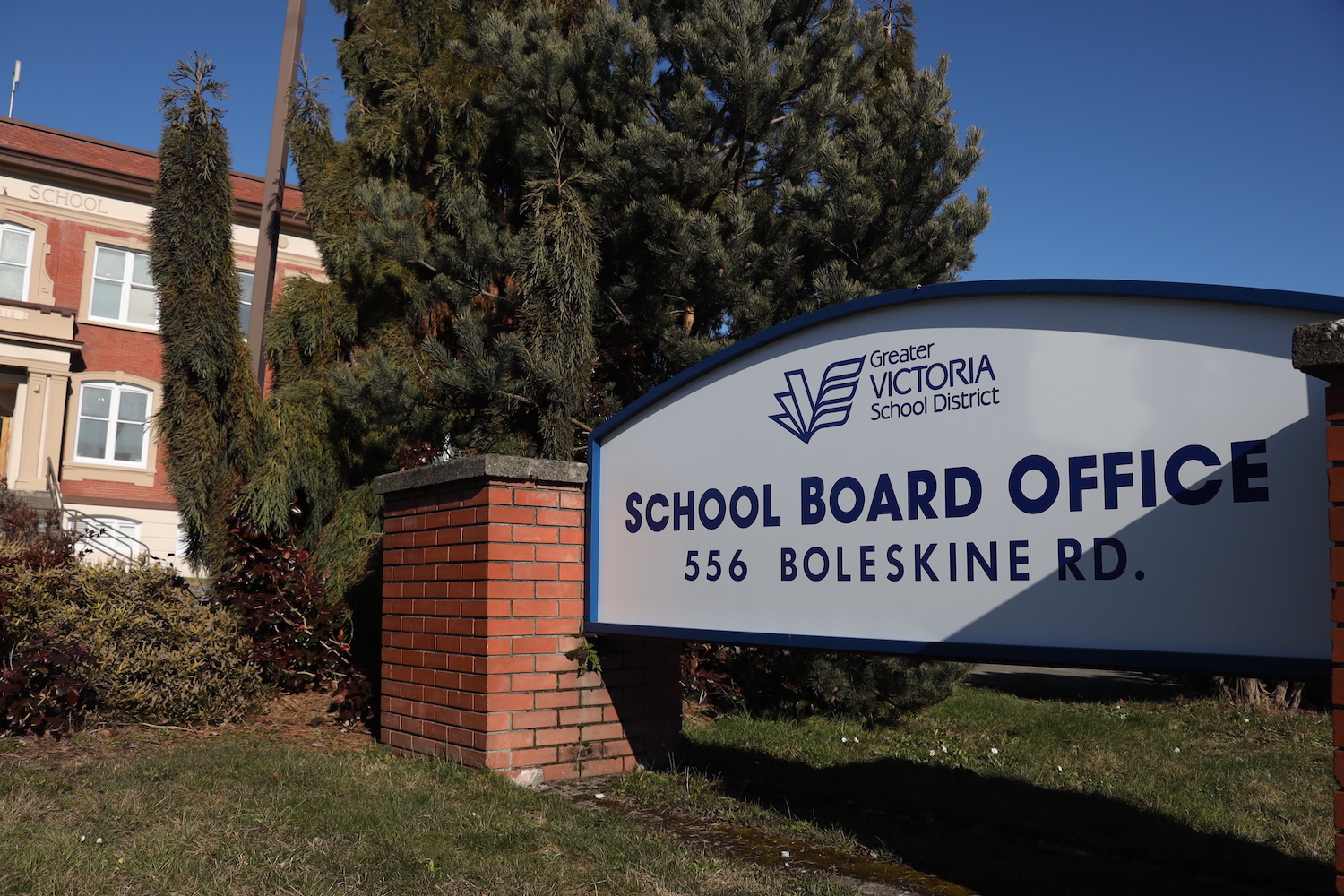
SD61 office. Photo: Robyn Bell / Capital Daily
The Greater Victoria School Board voted unanimously to update its board election bylaw to reflect a change to a ward electoral system during a special meeting on Monday.
The decision to change how school board members are elected was made while trustees were removed from their positions. The board was fired en masse in early 2025 after disagreements with the Ministry of Education over school police liaison officer (SPLO) programs.
While the trustees were gone from their positions, Sherri Bell, a ministry-appointed special trustee, recommended that SD61 board elections move to a ward system. This new system creates seven electoral areas, each of which votes for its own representatives on the board, rather than an at-large model. This means each ward would elect one trustee—except Victoria and Saanich, which would each elect two—to create a board of nine trustees.
Stay connected to your city with the Capital Daily newsletter.
By filling out the form above, you agree to receive emails from Capital Daily. You can unsubscribe at any time.
After being reinstated this spring, the board initially paused plans to shift to the ward system, asking staff to gather more information. But, ultimately, the board said this week that the ministerial order was binding and trustees would have to honour the change with an adjusted bylaw.
However, many trustees and a representative of the Greater Victoria Teachers Association (GVTA) said the decision to change the electoral system was not made democratically.
Nicole Duncan, the board chair, said during the meeting that she has concerns about the “legitimacy that can be attached to a process and recommendations coming from an unelected person about an electoral process.”
“That is very concerning to me,” Duncan said. “I think too, as you start to delve deeper into the details of all of this, there's certainly some concerns for me about the actual representation and what that means.”
She said it’s the board’s role to ensure “all nine trustees represent all communities in Greater Victoria, regardless of where the nine trustees happen to live,” and a ward system would not necessarily lead to better representation.
Duncan pointed to the large number of people living in Victoria and Saanich, saying the municipalities will only have four representatives despite making up more than three-quarters of Greater Victoria’s population.
Carolyn Howe, president of the GVTA, said she was glad to see the Songhees and Esquimalt Nations would each have an elected representative but felt the rest of the board should be elected through an at-large system.
Howe agreed with trustees that the one-month public consultation process was “incredibly rushed” for such a major decision.
Greater Victoria school board elections will be held during the municipal vote scheduled for Oct. 17.
Stay connected to your city with the Capital Daily newsletter.
By filling out the form above, you agree to receive emails from Capital Daily. You can unsubscribe at any time.


.jpeg)



.jpg)