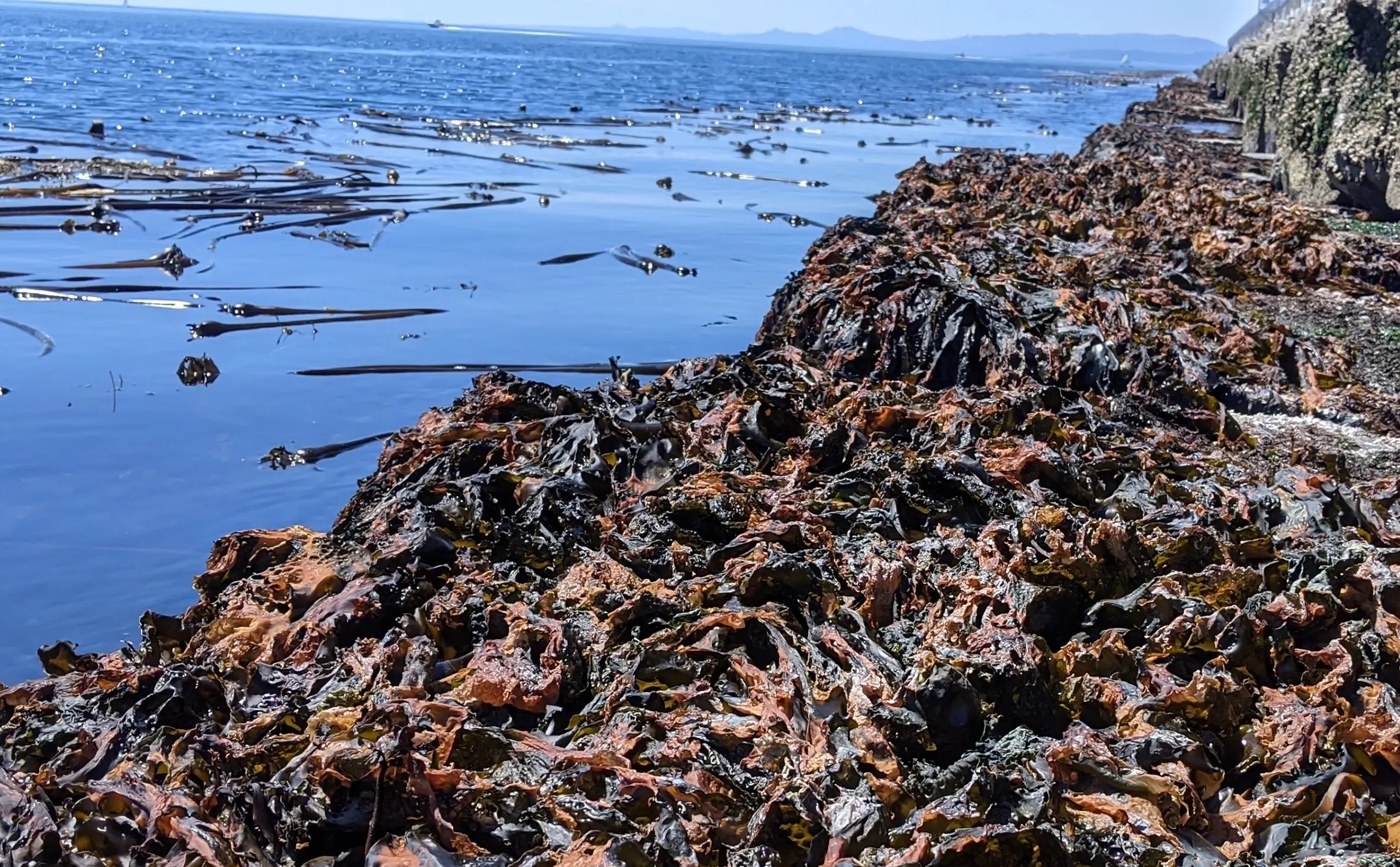
Independent review of CleanBC highlights financial benefits of sustainability
The report found the province's investment in LNG projects could cost more down the line.
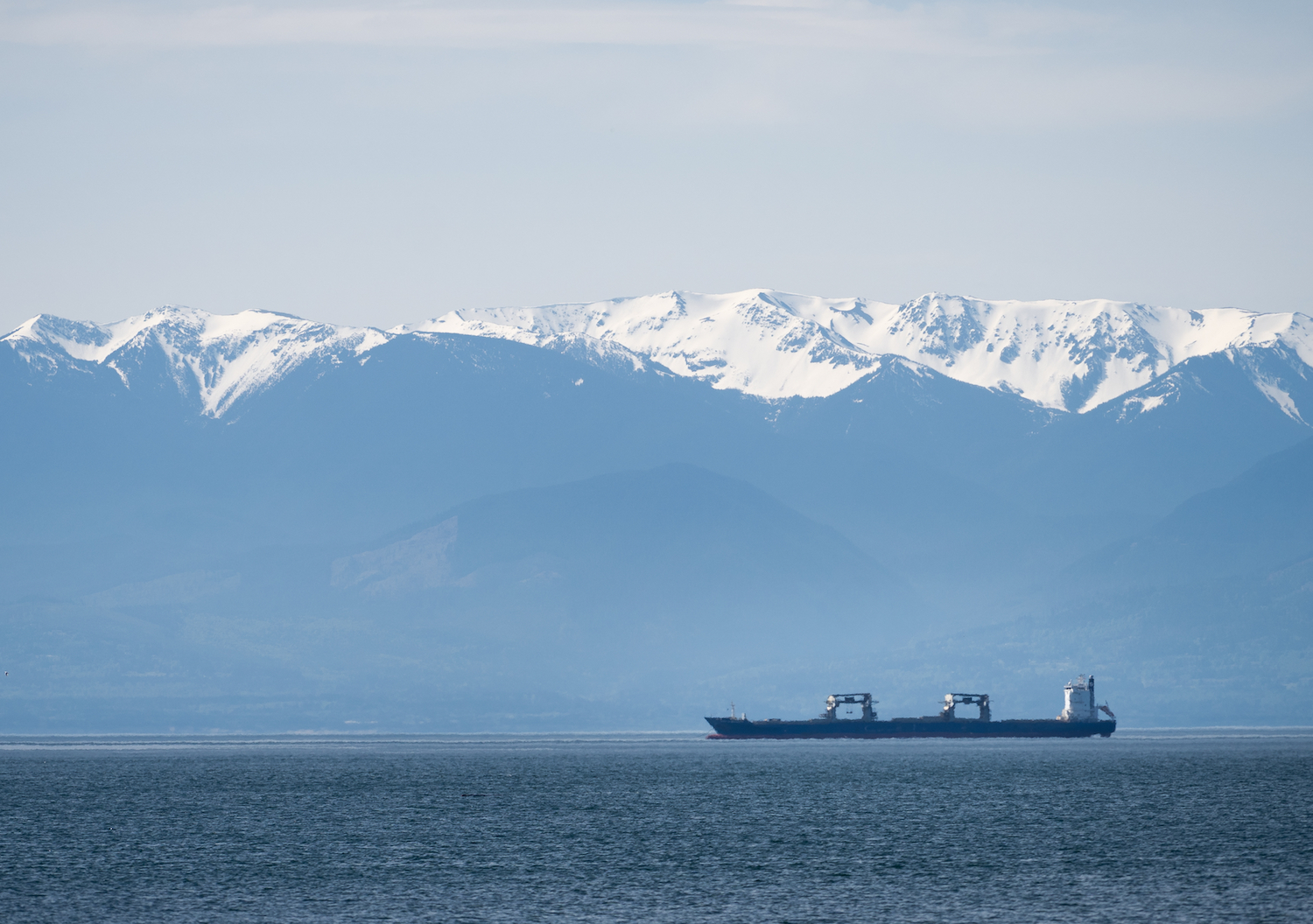
An oil tanker seen from Vancouver Island. The CleanBC review panel says BC’s decision to invest in LNG projects could be harmful long-term. Photo: Shutterstock
The province has released the final report from its independent review of CleanBC, BC’s climate action plan, which gets passing grades but needs some work, according to the review panel.
CleanBC was introduced in 2018 to create a blueprint for reducing emissions and moving toward a more planet-friendly economy. It set a target for the province to reduce its emissions by 40% by 2030.
Now, seven years later, BC set out to see if the plan is working—and if anything needs to change.
UVic’s contribution to the review
The province appointed independent climate-policy experts Merran Smith and Dan Woynillowicz to gather feedback from scientists, Indigenous leaders, local governments, industries, and the Climate Solutions Council to understand the strengths and weaknesses of CleanBC.
UVic’s Pacific Institute for Climate Solutions (PICS) was one institution to share feedback with the reviewer panel.
PICS shared a series of eight papers with the panel, titled Insights Series: Clean BC, written by leading climate scientists. The papers offered analysis on three central aspects of BC’s climate future, including climate policy on a geopolitical scale, investment in a clean economy, and the connection between environmentally friendly policies and the affordability crisis.
Stay connected to your city with the Capital Daily newsletter.
By filling out the form above, you agree to receive emails from Capital Daily. You can unsubscribe at any time.
Investing in LNG and fossil fuels is hurting BC’s economic future
Smith and Woynillowicz found that, “for the most part,” CleanBC is working.
“Its policies and programs are measurably reducing climate pollution while creating jobs, improving community health, and lowering everyday costs for British Columbians,” the review report reads.
However, they say the plan has “not yet reached its full potential.”
One area that the review panel highlighted was the economic benefits of improved sustainability—something Smith and Woynillowicz say the province should leverage.
“British Columbia is exceptionally well-positioned for the clean energy transition,” the report reads. “Our province has an abundance of the critical metals and minerals needed to manufacture solar panels, wind turbines, EV batteries, and the transmission lines that are helping electrify the economy.”
Something that’s hurting our economy, according to the report, is the push for more fossil fuel reliance, particularly LNG projects. It’s well established that the burning of fossil fuels is by far the leading cause of climate change.
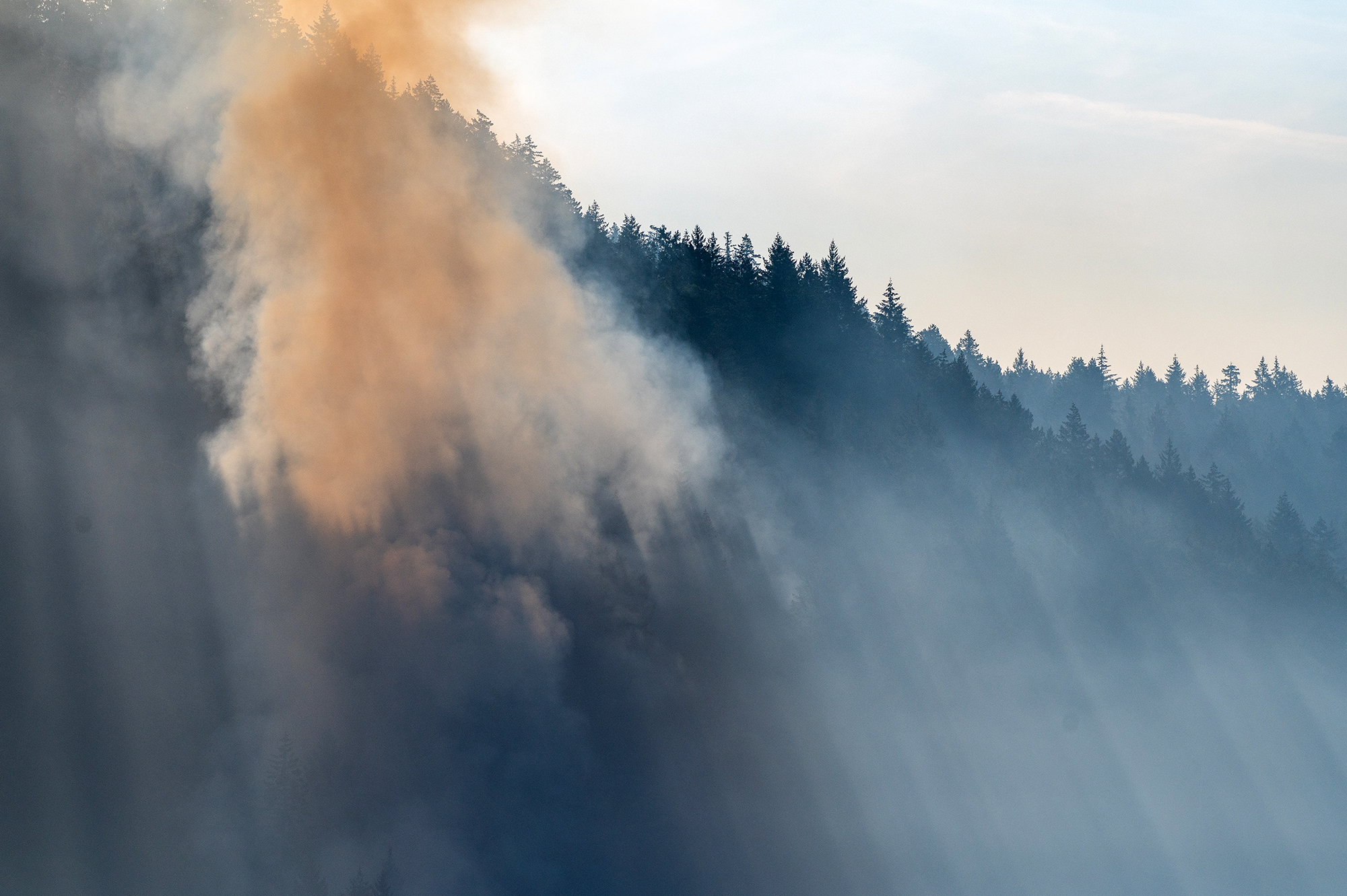
BC has experienced some of its worst climate disasters in the last decade, from record wildfire seasons to atmospheric rivers and the deadly heatdome (which, studies have found, would not have happened without climate change). The report says these disasters cost the province billions of dollars, and lead to a strain on health-care services, food security, and overall affordability.
Smith and Woynillowicz say BC’s current pursuit of increased gas production and new liquid natural gas (LNG) export opportunities “threatens to set back progress.”
“These activities create jobs and economic benefits, but also add significant new sources of climate pollution that stand to all-but wipe out hard-fought gains in other sectors,” the report reads.
“What’s needed is a renewal of CleanBC, not a retreat.”
Seven recommendations for the province
The report offers seven recommendations for the province to improve CleanBC:
- Accelerate clean electricity production and electrification as the foundation of energy security and economic growth
- Increase production of clean, made-in-BC biofuels and renewable natural gas
- Make it easier for British Columbians to cut energy bills and climate pollution
- Deepen partnerships with First Nations and local governments
- Support BC’s industries to become cleaner and more competitive
- Focus on delivering effective, achievable and fiscally responsible outcomes
- Leverage BC’s clean energy advantage to create more jobs in the energy transition
BC Green Leader Emily Lowan, whose party pushed for the CleanBC review as part of its agreement with the BC NDP, approved of the report’s conclusion that LNG investment would harm the province and its climate goals. However, she called the recommendations “toothless” when it comes to tackling climate targets.
Lowan flagged concerns about the recommendation to lower the 2030 emissions target and placing too much faith in made-in-BC renewable natural gas (RNG), which she says is an unproven solution.
“This report risks creating loopholes that let mega-corporations continue to emit dangerous levels of fossil fuels,” she said.
“British Columbians should reject all attempts to water down targets or greenwash LNG expansion.”
Stay connected to your city with the Capital Daily newsletter.
By filling out the form above, you agree to receive emails from Capital Daily. You can unsubscribe at any time.






.jpg)