Daylight saving time to become permanent in BC
This Sunday will mark the last daylight saving time change in BC.
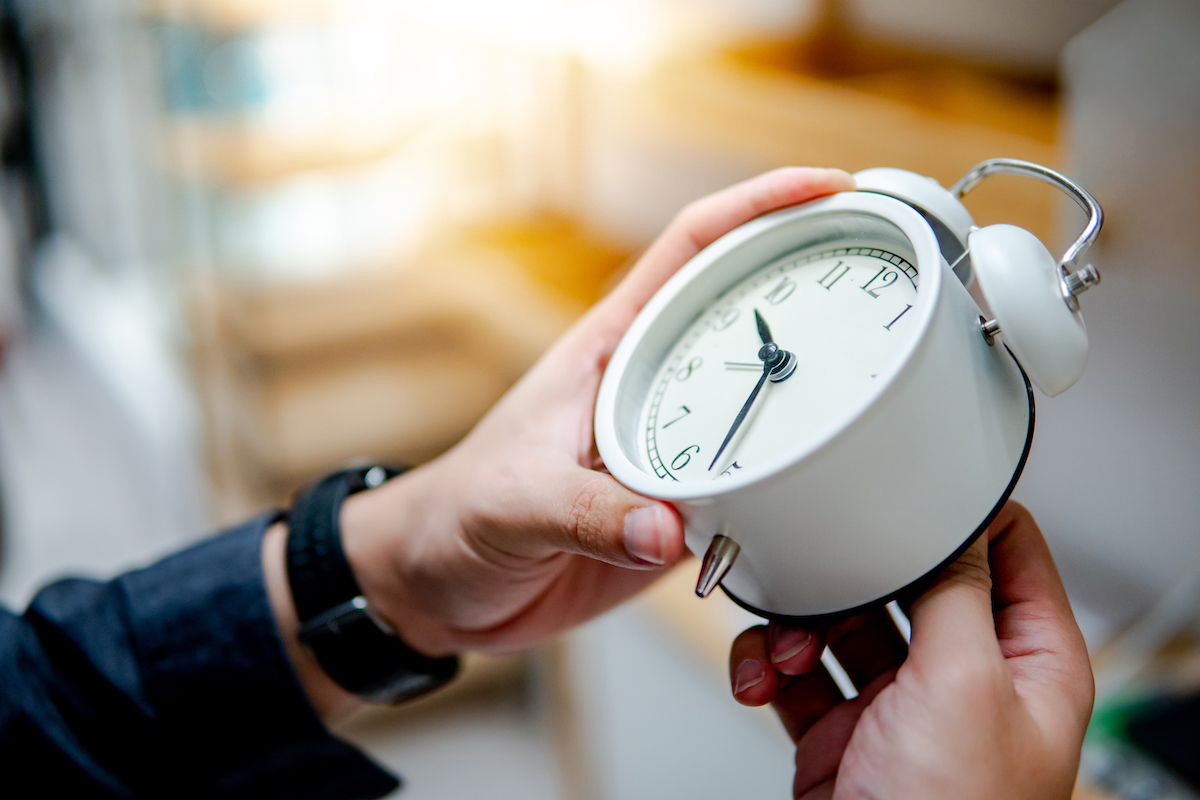
This Sunday, when you set your clocks an hour ahead for the summer season, it will be for the last time.
BC is adopting daylight saving time (DST) for good, the provincial government announced yesterday. It’s a change the province said it would make nearly seven years ago, after surveying nearly 250K BC residents and learning 93% of them wanted to commit to year-round DST.
“British Columbians have been clear that seasonal time changes do not work for them,” said Premier David Eby. “This decision isn’t just about clocks. It’s about making life easier for families, reducing disruptions for businesses and supporting a stable, thriving economy.”
Despite committing to permanent DST in 2019, both the Horgan and Eby governments were hesitant to make the switch until western US states adopted the time change. But as relations between Canada and the US continue to sour, BC has decided to charge ahead alone.
“I am hopeful that our American neighbours will soon join us in ending disruptive time changes,” Eby said.
The province said in a release that “recent actions from the US have shifted how BC approaches decisions that merit alignment, including on time zones.”
“Making this change now reflects the current preferences and needs of British Columbians, and helps ensure the province is well-positioned to thrive, even when circumstances across the border evolve.”
Stay connected to your city with the Capital Daily newsletter.
By filling out the form above, you agree to receive emails from Capital Daily. You can unsubscribe at any time.
The change will affect those in BC who are on Pacific Standard Time (PST), which is most of the province. Northeastern portions of BC—especially in the Peace River region—will remain on Mountain Standard Time year-round (which will essentially be PST once DST is permanent for the rest of the province). Southeastern areas, such as the East Kootenays, will continue to follow Alberta in observing Mountain DST during the summer and Mountain Standard Time in the winter.
Experts debate which time zone is best
The province says the time change comes with a plethora of benefits: fewer disruptions to sleep patterns, more light in the evening for outdoor activities, and a reduced administrative burden on small businesses.
But some experts say there are drawbacks to year-round DST. When BC announced its intention to switch to the summer schedule permanently, six experts in sleep and biological rhythms (including MDs and PHDs) wrote an open letter to the province urging the government to choose permanent Standard Time instead.
In their letter, they warned that shorter mornings and longer evenings could lead to a jet-lag-type state for many people. Once DST is implemented full-time, the sun will rise as late as 9am during the winter months.
“Our body's internal biological clock needs exposure to morning light,” the letter reads. “When exposure to sunlight in the morning is reduced, our biological clock drifts later, making it harder to wake up and causing an increased mismatch between the body clock and local time (a condition called social jetlag).
“DST also exposes people to more evening light, which further delays the biological clock and makes it more difficult to fall asleep. Both sleep deprivation and social jetlag are associated with negative effects on physical and mental health outcomes.”
It could also cause chaos when autumn arrives, and the clocks don’t “fall back,” as was the case in Mexico, which stopped changing three years ago. Non-Mexican devices still had the change programmed in, leading to a few days of confusion.
When we asked Capital Daily readers in 2023 for their thoughts on ending DST, some readers agreed with the sleep experts that Standard Time was preferable. Others said it simply didn’t matter—they’ll follow whatever time the province says to.
Stay connected to your city with the Capital Daily newsletter.
By filling out the form above, you agree to receive emails from Capital Daily. You can unsubscribe at any time.