UVic-led study highlights the species hit hardest by the 2021 heat dome
Nearly all Bay mussels in BC were killed off during the weeklong event, but sea lettuce thrived.
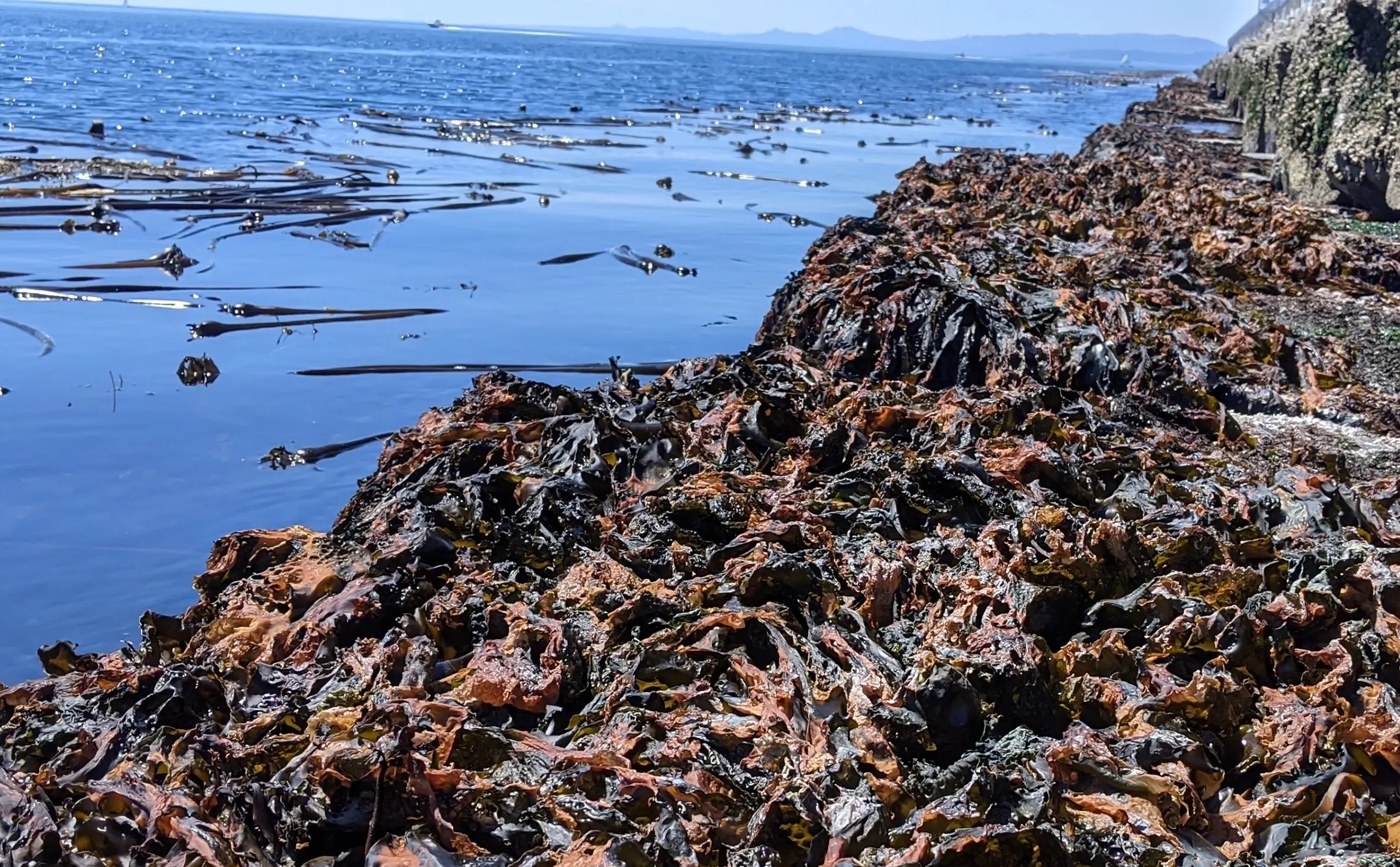
Bleached tissue of the intertidal sea cabbage kelp at Ogden Point in Victoria during the heat dome. Photo: Brian Timmer / UVic
This summer will mark five years since the brutal heat dome hit BC, killing hundreds of people and billions of coastal creatures. The 2021 weeklong climate event caused an unprecedented rise in temperatures, with some areas hitting a staggering 50C on land.
Prior to the heat dome, there was little understanding of how an extreme heat event would affect BC, leaving the province unprepared for the environmental consequences. But a new study, led by UVic researchers, is helping to shed light on how just deadly the dome was—and which animals were able to survive it.
The study, led by Julia Baum, a UVic biology professor and founder of the school’s Baum Lab, explored the heat dome’s effects on several species and ecosystems. Baum’s team examined changes to populations during and after heatwave, comparing the results to pre-dome stats.
The researchers relied on remote sensing—scans of the Earth from satellites or aircraft—a meta-analysis of field data, computer modelling, and media reports to gather a big-picture understanding of what kind of damage the heat dome did to BC’s ecosystems.
“With little forewarning, we relied on whatever studies were already underway or observations made during the event,” Baum said in a release.
Stay connected to your city with the Capital Daily newsletter.
By filling out the form above, you agree to receive emails from Capital Daily. You can unsubscribe at any time.
But even with the variety of data explored, Baum says her team has likely only “scratched the surface of the heat dome’s ecological effects.”
The researchers found that an animal’s chances of living through the dome’s conditions depended on its ability to seek shade, regulate its temperature, and whether cover was available.
“Basically, any animal that couldn’t escape the heat was hard hit by it,” Baum said. “This included mobile animals at vulnerable stages of life, such as baby birds that couldn’t yet fly and were trapped in their heat-retaining nests.”
More than three-quarters of the species studied were negatively affected by the torrid temperatures.
Nearly all Bay mussels—92%—were wiped out, as was more than half of the thatched barnacle population.
Aphids, found on one in every two blueberry plants in the province before the dome, were only present in one in 100 of the plants after the heat dissipated.
However, some animals managed to survive—and even thrive—in the heat dome’s aftermath. As several types of seaweed died off, sea lettuce proved to be resilient and increased its shore coverage by 65%, taking the place of its counterparts.
On land, the number of daily caribou sightings on camera traps dropped by half after the heat wave. But moose bounced back to the same number of camera sightings when the temperatures returned to normal. Because moose are more sensitive to high temperatures, the researchers believe the animals knew to seek out cooler microclimates to survive.
The heat dome’s effect on snow packs and wildfires
The heat dome also had an adverse effect on fire resiliency in BC’s ecosystems, according to the study. The dome hit the province in late June and sped up snow-pack melting. Streamflow from snow and ice melt increased 40% during the heatwave before dropping below average.
This in turn, led areas to become more arid, increasing the risk of fires.
“In August, when alpine systems were baking in the sun and really needed water, there was a deficit—everything had melted already by then,” said Diane Srivastava, a UBC zoology professor.
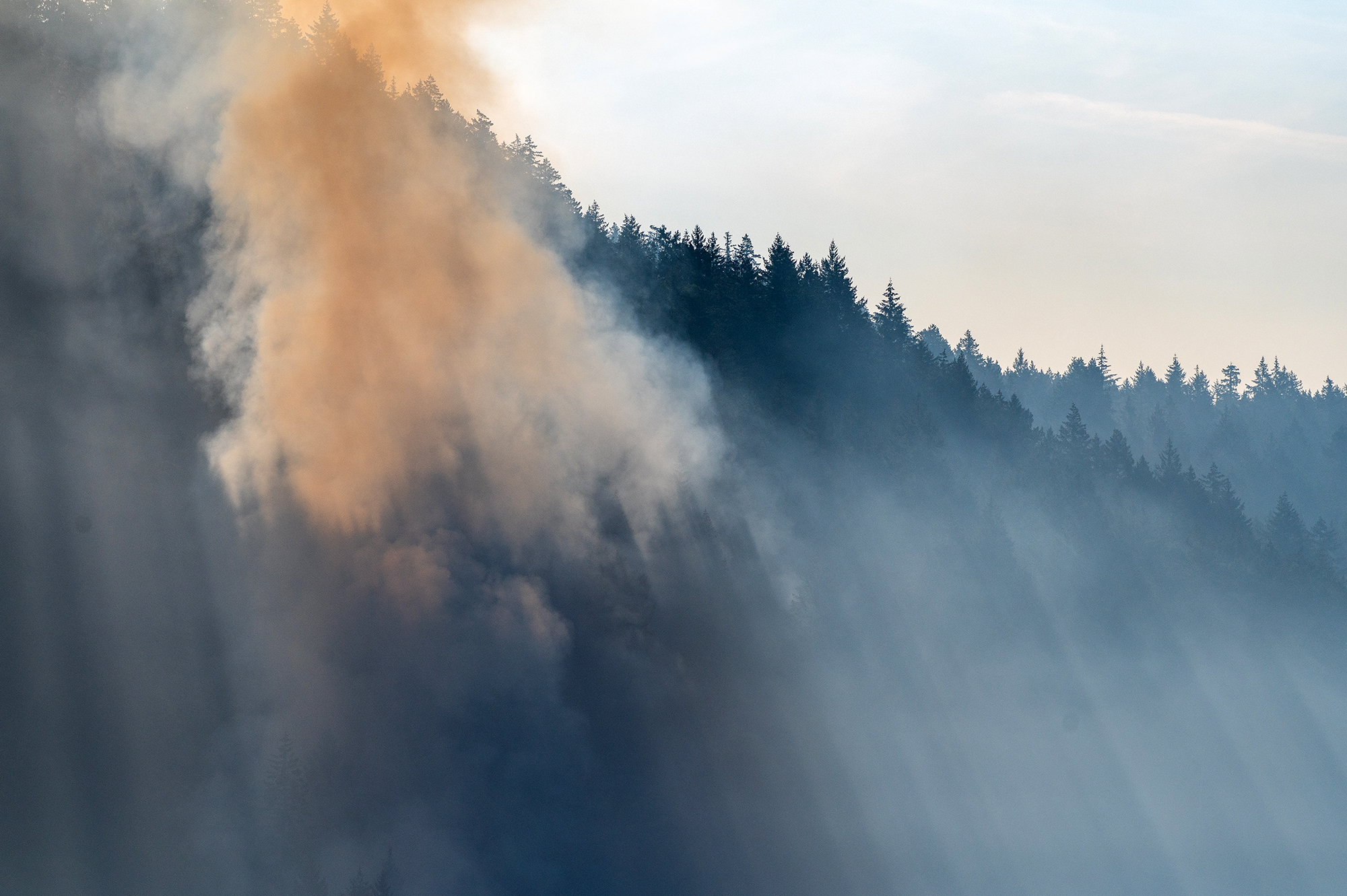
Wildfire activity surged 37% during the heatwave and an astounding 395% the following week. Fires raged across the province—the entire town of Lytton burned to the ground
Srivastava says it’s likely these climate events will become more frequent in the future, leading to further fire risks and the loss of glaciers and permafrost.
The research team says “enhanced coordinated approaches” are needed to predict, detect, and manage increasing heatwaves. It’s calling for a coordinated monitoring network that would closely track species and ecosystems across BC and Canada.
“We would be more prepared for the next time we have a heat wave to even better understand its effects and therefore, plan for the future,” Srivastava said.
Stay connected to your city with the Capital Daily newsletter.
By filling out the form above, you agree to receive emails from Capital Daily. You can unsubscribe at any time.




.jpg)


.jpg)


