10 years in crisis: BC’s opioid public health emergency enters new decade
Mourning events are taking place across Greater Victoria to mark the 10-year toxic drug crisis.
The faces of those lost to BC’s toxic drug crisis, on display at the Bay Centre now through April 26 as part of the Naming a Crisis art show. Image: Naming a Crisis
Tuesday marks 10 years since BC declared the toxic drug crisis a public health emergency. Since April 14, 2016, more than 18K people have lost their lives in the devastating epidemic.
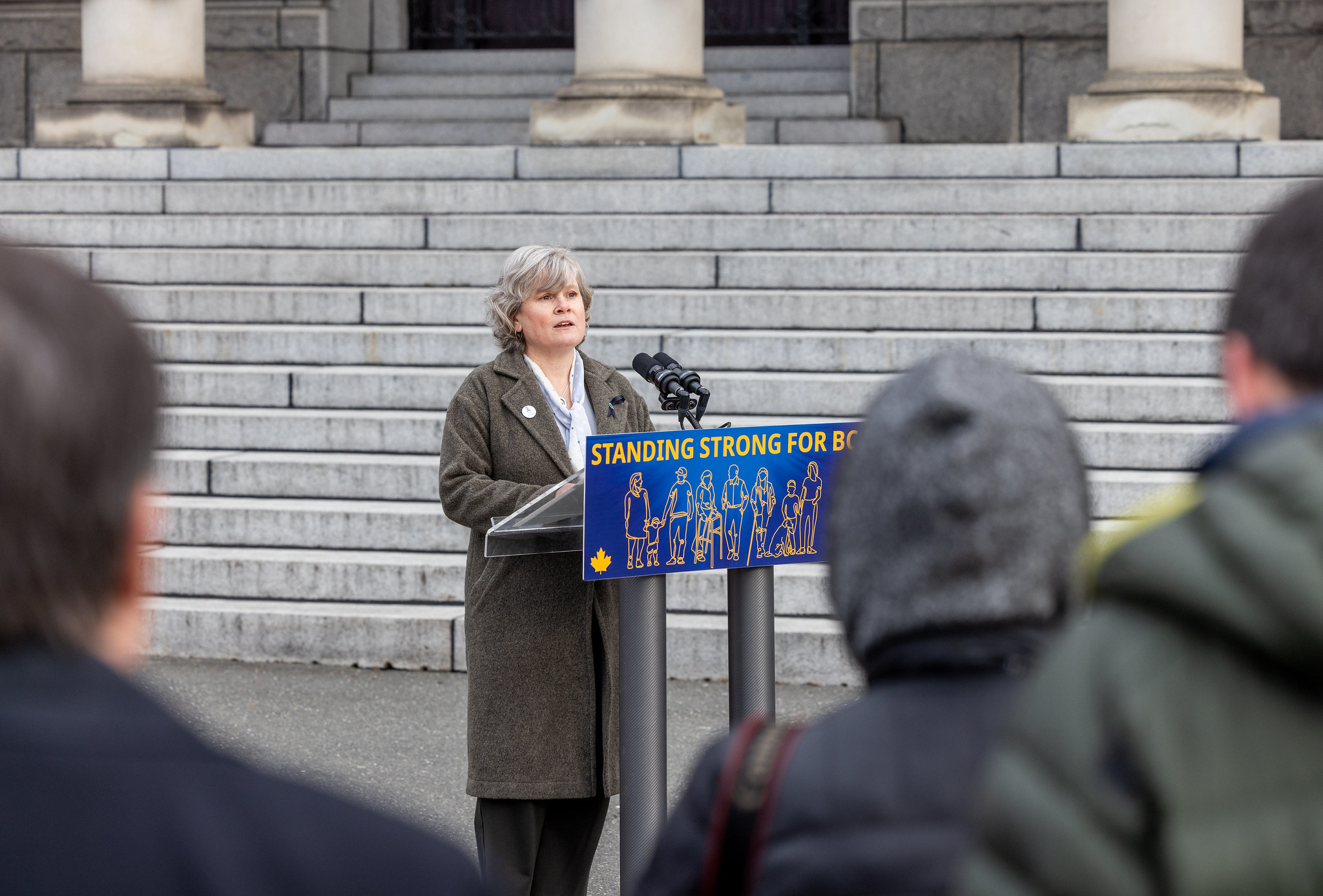
“This crisis is impacting our entire province, as well as Canada and North America, and has been filled with heartbreak, fear, and grief for families, friends, and colleagues,” Josie Osborne, the provincial health minister, said yesterday.
The problem has become considerably worse since the declaration was made, based on data that showed 528 British Columbians died from using illicit substances in 2015. This figure would jump to 997 in 2016—a staggering statistic at the time.
That would be the last time BC would record a toxic-drug death toll lower than 1K. Since then, the province has witnessed a shocking rise in toxic drug deaths, peaking in 2023 when 2,590 people died.
“Substance use often begins with experiences such as trauma, mental- and physical-health challenges, poverty, stigma, and barriers to safe and stable supports,” Osborne said in a statement. “No one sets out intending to become addicted.”
Stay connected to your city with the Capital Daily newsletter.
By filling out the form above, you agree to receive emails from Capital Daily. You can unsubscribe at any time.
In 2024, 2,315 people died from toxic drug use in BC. Last year, 1,826 British Columbians, including 343 on the Island, lost their lives after consuming toxic drugs. It was the first year since 2020 that fewer than 2K people died this way.
Still, five people on average die each day in BC due to the toxic drug supply.
Province ignores recommendations from multiple health experts
Public health experts—including former BC chief coroner Lisa Lapointe, who led the BC Coroners Service (BCCS) throughout much of the public health emergency, and BC Health Officer Dr. Bonnie Henry—have called for the expansion of safer supply, a prescription program that offers non-toxic opioids to people who use drugs.
In a 2024 report, Henry argued that safer supply should include various medications and substances to meet the needs of those who use drugs.
Yesterday, Henry reiterated the findings of her 2024 report, saying “Evidence shows that harm-reduction and overdose-prevention services, including overdose-prevention sites, drug checking, and access to alternatives to unregulated drugs, are saving lives.”
The year before, a panel of physicians and substance-use experts assembled by the BCCS shared a report urging the province to expand the program to those without a prescription or MSP, saying as many as 225K people in BC were “at risk of death or serious injury” by relying on the illicit market. The panel also called for an increase in drug-checking and overdose-prevention sites, more education initiatives, and greater access to withdrawal management services.
While these recommendations won’t solve the crisis, the panel said, the “fastest way to reduce deaths is to reduce dependence on the unregulated market for people who use drugs.”
But province has not increased access to a safer supply in the years since these reports were released. Instead, it has tightened restrictions on the program.
Last year, the province rolled out new rules requiring patients to consume their prescriptions under the supervision of a pharmacist. These changes sparked concern among addiction experts, who said they will make it more difficult for unhoused people to access necessary care and will drive people who use drugs back to the illicit market.
A community in mourning
Many Victoria community members—from all walks of life—have lost loved ones to the crisis, and recent initiatives have been launched to help the community grieve collectively.
Since January, monthly memorials have been held at St. John the Divine Anglican Church to honour Victorians lost to toxic drugs.
Last month, friends and family members shared emotional tributes for six people who died. Details for April’s memorial have not been released and will be shared on the church’s social media pages.
Currently, an art exhibit at the Bay Centre—on display through April 26—is showcasing the toll of the health emergency in BC. Naming a Crisis aims to capture the magnitude of loss through a multimedia exhibition, which includes the names and photos of those killed by toxic drugs in the past 10 years. Audio and video elements offer insight into the people behind the statistics, and poetry readings, grief workshops, and speaking events are scheduled to take place over the next two weeks.
See the full schedule here.
On Tuesday, a rally will take place on the legislature lawn from 1pm to 3:30pm, hosted by Moms Stop the Harm, a Canada-wide network of families impacted by substance-abuse deaths, to mark the 10th anniversary of the health emergency.
Stay connected to your city with the Capital Daily newsletter.
By filling out the form above, you agree to receive emails from Capital Daily. You can unsubscribe at any time.