Young Islander takes Canada to court in landmark climate trial
Cowichan Valley's Sierra Robinson, 24, is one of 15 plaintiffs arguing the federal government has violated Charter rights by failing to meet its climate targets.
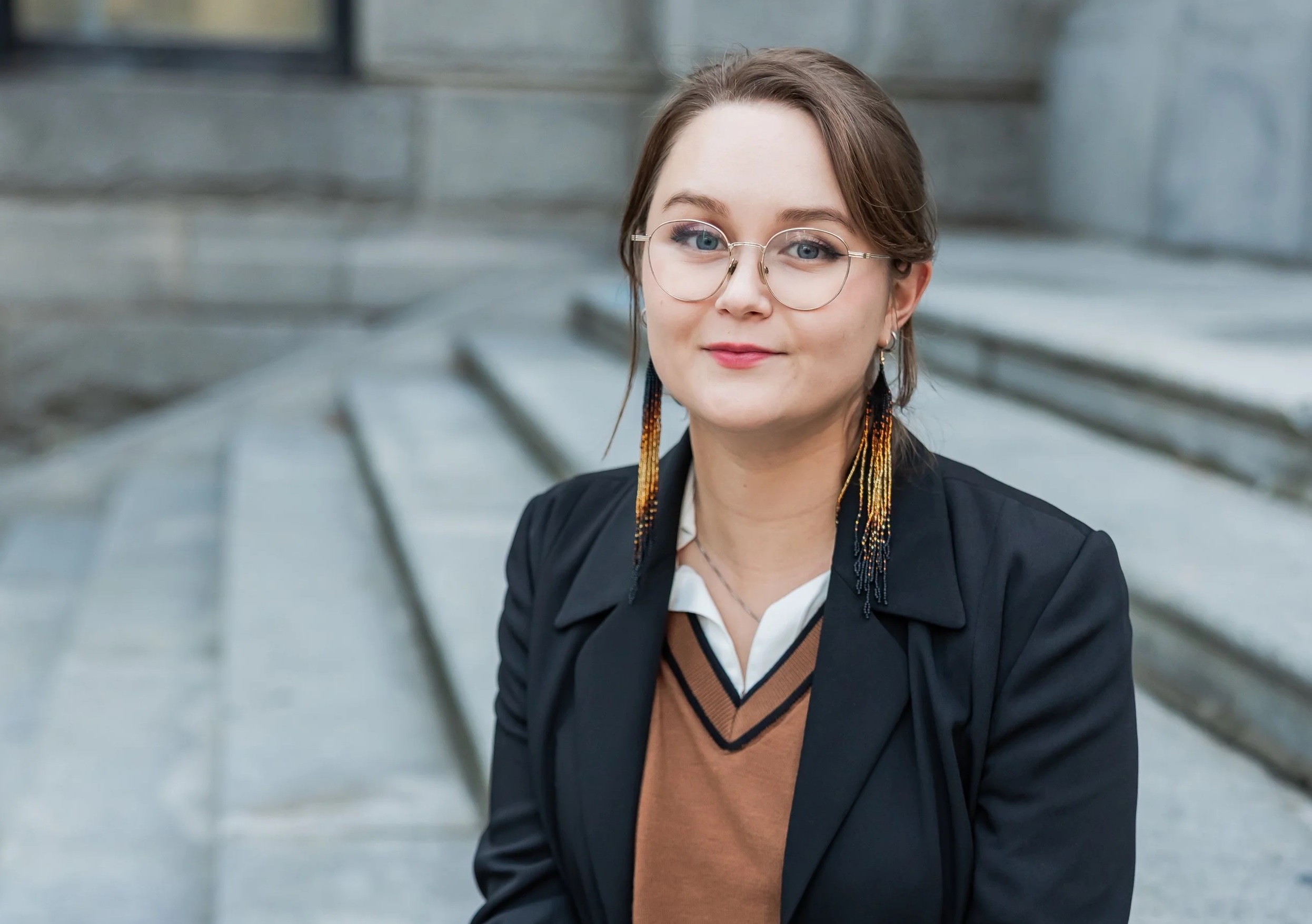
Cowichan Valley’s Sierra Robinson, 24, is one of 15 plaintiffs challenging Ottawa’s climate policies in court. Photo: Kim Bellavance / Our Children’s Trust
Sierra Robinson was just 17 years old when they joined 14 other young Canadians in a first-of-its-kind climate lawsuit against the federal government.
In 2019, the Cowichan Bay resident stood alongside their fellow plaintiffs, as well as famed climate activists David Suzuki and Greta Thunberg, as they announced the filing of the landmark suit on the steps of the Vancouver Art Gallery. A crowd of 10,000 climate protesters cheered them on.
Seven years almost to the day after filing the suit, La Rose v. His Majesty the King has finally made it to court. The five-week trial began Monday at the Federal Court of Canada in Vancouver.
The youths, many of whom joined the suit before they turned 18, are arguing that Ottawa has violated their Charter rights to "life, liberty and security of the person" with its current emissions trajectory, and that the Net-Zero Emissions Accountability Act (Net-Zero Act) does not ensure Canada follows through on its climate targets.
Stay connected to your city with the Capital Daily newsletter.
By filling out the form above, you agree to receive emails from Capital Daily. You can unsubscribe at any time.
Connecting with nature on the Island
Robinson, now 24, has been involved in climate activism since they were nine years old, when they began speaking at events about water security and addressing environmental issues at town meetings.
Growing up in the farmlands of Cowichan Valley, Robinson developed a deep connection to the natural world and noticed early on how a changing climate was impacting agriculture and food sustainability.
They followed climate activism happening globally and connected with like-minded young people fighting for change. When their American friends joined Juliana v. United States, a youth-led lawsuit against the federal government, Robinson said Canada needed similar legal action.
Robinson's friends on the Juliana case got them in touch with Our Children's Trust, a non-profit law firm in the US that works with young people globally to assert their climate rights.
"So I got in touch with [the firm] and expressed how much I wanted to be a part of it, how deeply I care for the Cowichan Valley and the space that I live, and how much I've seen it be impacted by climate change," Robinson told Capital Daily.
"I really feel that youth need to take a stand so that our future children can hopefully not have to deal with the same things—or a lot worse—that we're experiencing now."
Holding Canada accountable
The young La Rose plaintiffs aren't seeking financial compensation in the lawsuit; instead, they're calling on Ottawa to develop a science-based climate recovery plan.
"We're not trying to get some financial gain out of this in any way," Robinson said. "We just want Canada to act on this issue."
Robinson said that, while climate change is a global issue, other countries are beginning to take steps to challenge it and they want Canada to be a part of that movement.
"If Canada does not join in taking a stand against one of the biggest issues of our time, then that would make me really sad," Robinson said.
"I want to be really proud of the country that I live in and its response to a global issue that is affecting its Canadian citizens."
A growing climate crisis
A lot has changed since the suit was filed.
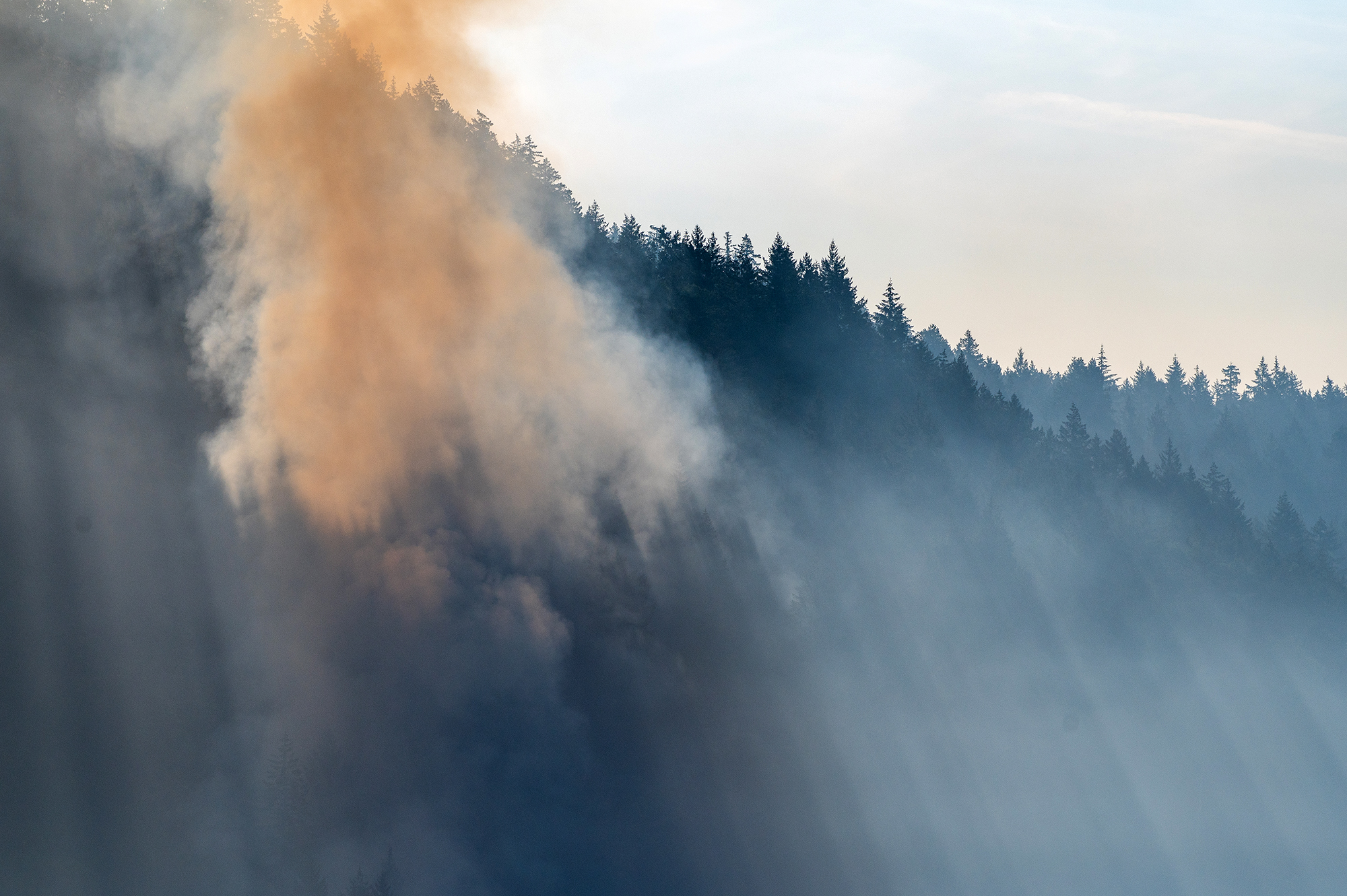
In those seven years, Canada had its most destructive fire seasons on record, BC experienced a deadly heat dome that killed more than 600 people in a week, and the federal government has rolled back many of its commitments to reduce its greenhouse gas (GHG) emissions.
In its 2026 audit of the federal government's progress under the Net-Zero Act, Canada's commissioner of environment and sustainable development said the country is not close to meeting its legislated 2030 emissions targets.
The Net-Zero Act legislated that Canada would reduce its GHG emissions to 45% below 2005 levels. The commissioner estimates the country will achieve only a 28% reduction.
Worse, the commissioner found the federal government "has cancelled or weakened several measures from its 2030 Emissions Reduction Plan" since its 2025 report.
Robinson said the La Rose case has highlighted that, while the government is often required to make a plan for addressing the climate crisis, it isn't bound to follow through.
"[The Canadian government] puts forward different plans, but then they literally said in court that they have no obligation to fulfill the plans that they're putting in place," Robinson said. "They just have to make the plans… we [the plaintiffs] just found that so absurd."
Navigating the stress of court
Being at the centre of a groundbreaking legal case isn't for the faint of heart. Robinson said they have been in awe of their fellow plaintiffs who testified over the past week.
Robinson won't be taking the stand because of chronic health issues they deal with, including psychogenic non-epileptic seizures, which can be triggered by stress. These health issues are a key aspect of Robinson's plaintiff impact statement, which says their chronic illnesses make them "more susceptible to injury during periods of higher temperatures and extreme weather events."
But Robinson has still attended every day court so far to cheer on their fellow plaintiffs.
"I am so proud of them for being so brave and sharing their voices and sharing their stories and their harms, the ways that they have been harmed by climate change," Robinson said. "It's pretty powerful, but also it's a lot of work too. It's a bit exhausting."
To keep the group's morale up, the plaintiffs start each day with a dance party—a "unique" approach to dealing with court, Robinson said.
"I feel we gather and we hype each other up. We put on a song, and we all jump around and try to get ourselves excited for the day," they said.
With one week down and four more to go, Robinson hasn't lost any optimism about the case's outcome.
"I feel, so far, I'm very hopeful."
Stay connected to your city with the Capital Daily newsletter.
By filling out the form above, you agree to receive emails from Capital Daily. You can unsubscribe at any time.